Pella French Doors — Independent Review
An independent look at Pella's French door product lines, materials, pricing, and what to consider before buying.
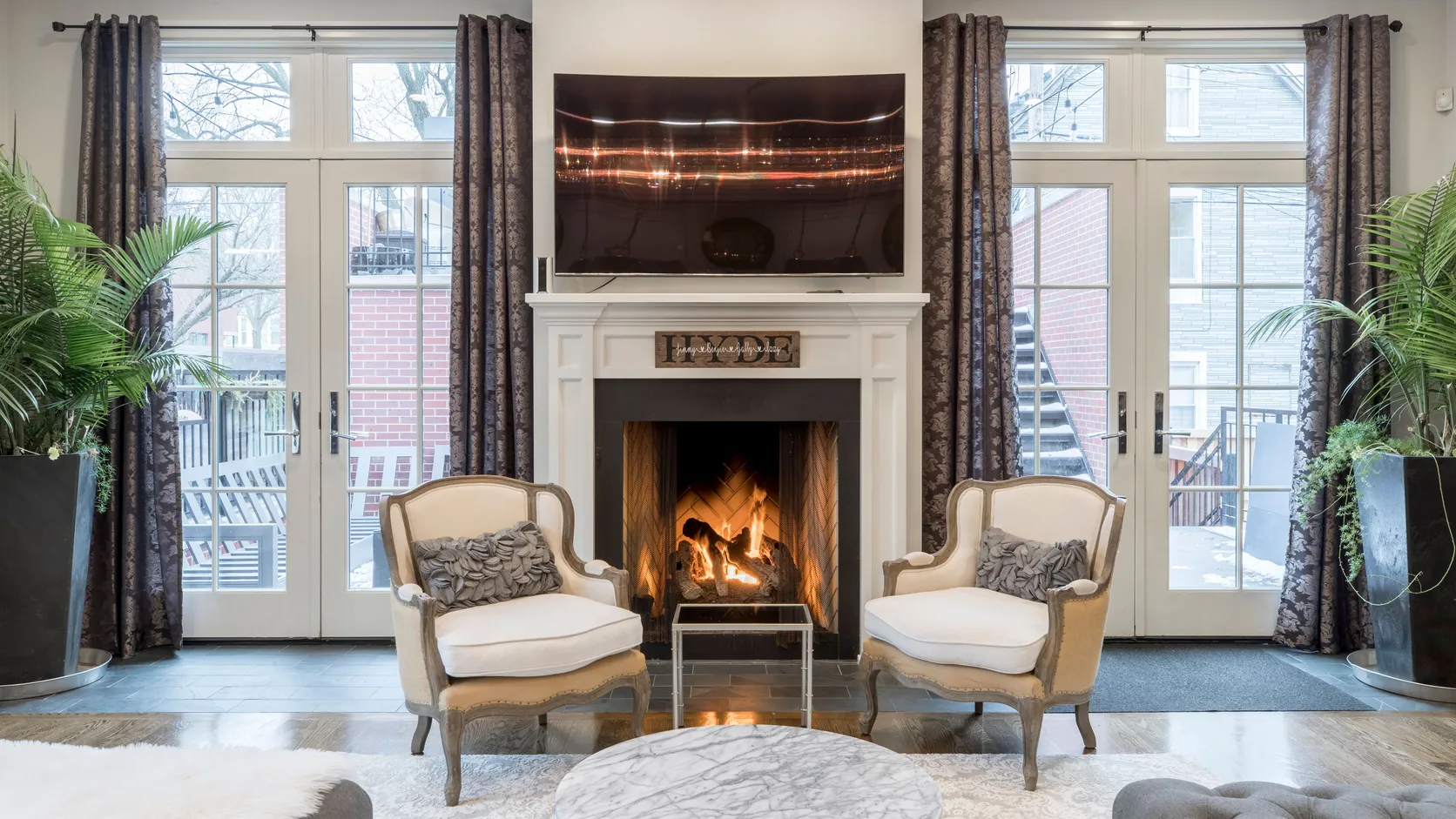
Illustrative photo — door brand and manufacturer not depicted.
Pella is one of the two most-searched French door brands in America, alongside Andersen. Founded in 1925 in Pella, Iowa, the company built its reputation on wood and fiberglass doors, with a lineup that leans heavily on design flexibility and a handful of proprietary features you won't find from other major manufacturers. This is an independent review — FrenchDoors.com has no financial relationship with Pella Corporation. Nothing here is sponsored, and we aren't paid to feature Pella's products.
Our goal is to help you evaluate whether Pella is the right fit for your project before you commit to a purchase or installation — what its product lines actually offer, where the pricing tiers land, and where the brand's strengths and trade-offs show up in practice. If you're weighing Pella against its closest competitor, our Pella vs Andersen comparison puts both brands side by side.
Brand Overview
Pella Corporation was founded in 1925 in Pella, Iowa, where it remains headquartered and manufactures the majority of its products domestically. The company remained family-owned for nearly a century before a majority stake was acquired by Cornerstone Building Brands in the 2020s. Pella built its reputation on wood windows and doors, and that heritage still defines its French door lineup today: wood interiors paired with aluminum-clad exteriors for weather resistance, along with fiberglass options in its mid-range and value tiers.
Pella's standout differentiator is its proprietary between-the-glass blinds and shades — shading built directly into the insulated glass unit, which no other major French door brand offers in quite the same way. It eliminates the dust, damage, and cleaning concerns that come with traditional exterior-facing blinds.
Pella sells through company-owned Pella showrooms, through Lowe's (its primary big-box retail partner), and through a network of authorized independent dealers. Notably, Pella doors are not sold through Home Depot — that's Andersen's retail channel. Pella tends to target homeowners who prioritize design aesthetics, custom finish options, and a dedicated showroom buying experience over big-box convenience.
Product Lines
Pella organizes its French door offerings into four main tiers, each aimed at a different combination of budget and design priorities.
The Architect Series is Pella's top-of-line collection — premium wood construction with the most extensive customization available across the lineup, including custom sizes, hardware, and finishes. It's built for custom homes and high-end remodels where design flexibility matters more than price.
The Reserve line is Pella's traditional luxury wood series, built around authentic wood construction and historical design profiles. It's the right fit for homeowners who want a classic, traditional look without the fully custom scope of the Architect Series.
The Lifestyle Series is Pella's mid-range option, with a fiberglass exterior and a choice of wood or fiberglass interiors. It offers the strongest balance of durability and design flexibility in the lineup, which makes it the most popular Pella line for French door replacements.
The 250 Series is Pella's value tier, built with vinyl construction. It's the most affordable Pella option, with more limited design choices than the upper tiers, but it still carries the Pella brand name and warranty — and it's the only Pella French door line sold at Lowe's alongside select Lifestyle Series products.
In short: the Architect Series and Reserve suit buyers who want maximum design control and genuine wood character, the Lifestyle Series fits most standard replacement projects, and the 250 Series is the entry point for buyers prioritizing budget over customization.
| Series | Price Range | Best For |
|---|---|---|
| Architect SeriesWood, aluminum-clad exterior | $3,000–$6,000+ | Custom homes, high-end remodels |
| ReserveWood, aluminum-clad exterior | $2,500–$5,000+ | Traditional luxury design |
| Lifestyle SeriesFiberglass, wood or fiberglass interior | $1,800–$3,500 | Most standard replacements |
| 250 SeriesVinyl | $800–$1,800 | Budget-conscious buyers |
Materials & Construction
Pella's core strength is wood — specifically wood interiors paired with aluminum-clad or fiberglass exteriors. The wood interior gives the Architect and Reserve lines a warmth and design appeal that composite materials don't fully replicate, but it comes with a real maintenance trade-off: wood components need periodic refinishing to stay weather-resistant and keep their appearance over time. The aluminum-clad exterior offsets some of that maintenance burden by protecting the wood from direct weather exposure.
The Lifestyle Series offers fiberglass options for homeowners who want a lower-maintenance alternative without stepping down to vinyl. Fiberglass resists warping and doesn't require the refinishing that solid wood does.
Glass options span dual-pane, triple-pane, and Low-E coatings across most lines, plus Pella's signature between-the-glass blinds and shades where available. Energy Star certification is available across most Pella French door product lines, though the specific qualifying configuration varies by series and glass package.
Pricing Context
Pella French doors typically range from $800 to $6,000 or more per unit before installation, depending on the series, size, and glass package — pricing as of 2026. Installation typically adds $500 to $2,000 or more, depending on project complexity, whether it's new construction or a replacement, and local labor rates.
For a broader look at what French doors cost across brands and materials, see our French door cost guide.
Where to Buy
Pella French doors are available through a few distinct channels, each with different access to the full product lineup:
- Pella showrooms — company-owned retail locations offering design consultation and access to the full product line, including the Architect Series and Reserve.
- Lowe's — carries the 250 Series and select Lifestyle Series products.
- Authorized Pella dealers — independent dealers with access to the full Pella product line.
This section covers where to purchase the product itself — not installation. See below for installation guidance.
Pros and Cons
Pros:
- Industry-leading between-the-glass blinds and shades feature
- Strong wood door heritage and design options
- Showroom buying experience with design consultation
- Wide range from value (250 Series) to premium (Architect Series)
Cons:
- Wood requires more maintenance than composite alternatives
- Premium lines are among the most expensive in the market
- Not available at Home Depot, which limits casual comparison shopping
- Showroom availability varies by region