La Cantina Doors — Independent Review
An independent look at La Cantina's folding and multi-slide door systems — materials, configurations, pricing, and what sets them apart.
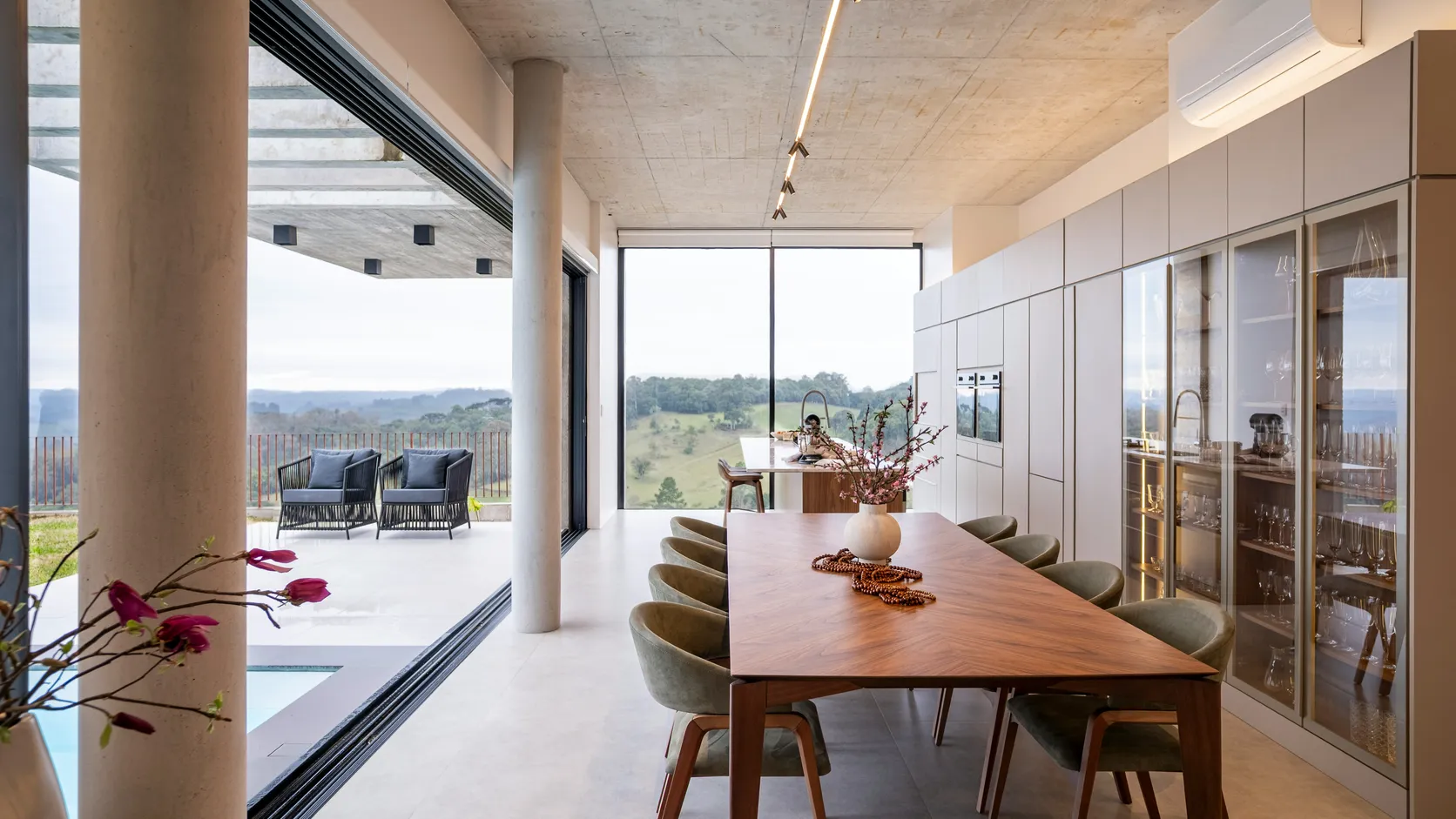
Illustrative photo — door brand and manufacturer not depicted.
La Cantina is a specialist — the company focuses exclusively on large-opening door systems: folding (bi-fold), multi-slide, and swing doors designed to create wide, unobstructed openings between indoor and outdoor spaces. Based in San Diego, California, La Cantina has a natural stronghold in the Southern California market, where indoor-outdoor living is a defining architectural feature. This is an independent review — FrenchDoors.com has no financial relationship with La Cantina Doors.
Where Pella and Andersen offer folding doors as part of a broader product lineup, La Cantina's entire business is built around large-opening systems. That specialization shows in their engineering, configuration options, and dealer expertise. For a side-by-side look at those two generalist brands, see our Pella vs Andersen comparison.
Brand Overview
La Cantina was founded in San Diego, California, and operates as a specialist manufacturer of folding, multi-slide, and swing door systems only — it is not a general window and door manufacturer like Pella or Andersen. The brand has a strong Southern California market presence and is widely specified by architects and builders for coastal and luxury homes in Orange County, Los Angeles, and San Diego.
La Cantina sells exclusively through authorized dealers — specialty window and door showrooms that handle measurement, ordering, and installation coordination. There is no big-box retail channel. The target buyer is a homeowner or architect designing a large opening, from 8 to 40-plus feet wide, connecting indoor and outdoor living spaces.
Pricing typically runs $5,000 to $25,000 or more per opening depending on configuration, size, and material — this is a premium product category, used in both residential remodels and new construction.
Door Types
La Cantina doesn't use numbered "series" the way Pella or Andersen do. Instead, its products are categorized by door type and material.
Folding doors (bi-fold) are La Cantina's signature product. Panels fold and stack to one or both sides, creating a wide opening. They're available in configurations from 2-panel to 10-plus panels, and they're the most popular choice for creating a full wall opening between a living room and a patio or pool area. For installation context in Southern California, see our bi-fold door installation guide.
Multi-slide doors have panels that slide and stack behind each other or into a wall pocket, using larger individual panels than folding systems. They're the better choice for very wide openings where folding panels would be impractical, and can create openings of 40 feet or more. See our multi-slide door installation guide for how these systems are typically specified and installed.
Swing doors are traditional hinged French doors, available as singles or pairs. La Cantina's swing doors use the same frame and hardware systems as their folding and multi-slide products, which keeps the design consistent when combining door types on a single project.
Choosing between folding and multi-slide typically comes down to the space, the desired opening width, and how you want the doors to operate — folding systems tend to suit moderate openings with a stacking wall available, while multi-slide systems suit very wide openings or projects where a pocketed, disappearing wall is preferred.
| Door Type | Price Range | Best For |
|---|---|---|
| Folding (bi-fold)2–10+ panels; moderate to wide openings | $8,000–$18,000 | Living room–patio connections, pool areas |
| Multi-slideVery wide openings; up to 40+ ft | $10,000–$25,000+ | Large spans, pocketed disappearing walls |
| SwingSingles or pairs | $3,000–$6,000 | Matching hinged doors alongside large-opening systems |
Materials
La Cantina offers three primary material systems. Aluminum is the most popular choice — it has clean, narrow sight lines and is strong enough for large panels, with thermally broken aluminum available for energy efficiency and multiple powder-coat color options.
Wood frames suit traditional or transitional aesthetics, offering warmth and design flexibility that aluminum doesn't match, though they require more maintenance.
Clad construction pairs a wood interior with an aluminum exterior — the best of both worlds, with wood warmth inside and weather-resistant aluminum outside, at a premium price point but with the lowest long-term maintenance of the wood options.
Notably, La Cantina does not offer vinyl or fiberglass — its products start at aluminum and go up from there, reflecting the brand's premium positioning.
Pricing Context
La Cantina doors are a premium product, and pricing reflects that. Typical installed project costs run $8,000 to $18,000 for a folding door system with 4 to 6 panels, $10,000 to $25,000 or more for a multi-slide system, and $3,000 to $6,000 for a pair of swing doors — pricing as of 2026. These are installed project prices, not unit-only, since La Cantina projects are almost always professionally installed through the dealer network.
For a broader look at what French and patio doors cost across brands and materials, see our French door cost guide.
Where to Buy
La Cantina doors are available exclusively through:
- Authorized La Cantina dealers — specialty window and door showrooms that handle measurement, ordering, and installation coordination. This is the only retail channel.
There is no big-box retail channel — La Cantina is not sold at Home Depot or Lowe's. A dealer locator is available on lacantina.com. This section covers where to source the product itself — not installation.
La Cantina vs. Other Brands
Compared to Pella or Andersen folding doors, La Cantina is the specialist — Pella and Andersen offer folding as one product among many, while La Cantina's engineering, configuration range, and dealer expertise in large openings typically exceed what general-purpose brands offer. See our Pella vs Andersen comparison for how those two brands stack up against each other.
Compared to Milgard, the two brands occupy different market segments entirely: Milgard is value-tier, while La Cantina is a premium specialist.
Pros and Cons
Pros:
- Large-opening door specialist — deeper expertise than generalist brands
- Strong SoCal dealer network with installation expertise
- Wide configuration range (2-panel to 10+ panel systems)
- Thermally broken aluminum for energy efficiency
Cons:
- Premium pricing — entry point significantly higher than standard French or sliding doors
- Dealer-only channel — cannot comparison shop at retail stores
- No vinyl or fiberglass options — aluminum is the entry-level material
- Lead times can be longer than stock products from major brands